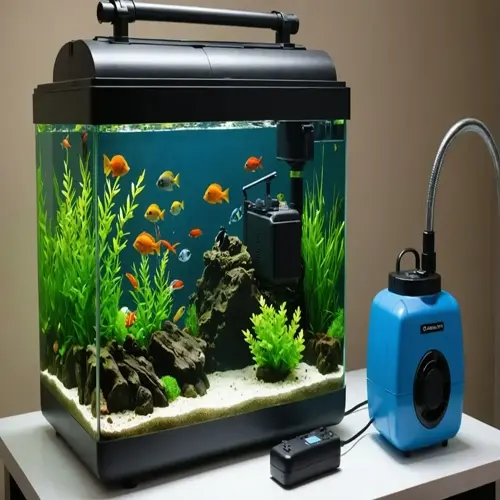
How do I control algae in planted tanks?

Written by
Victoria Hayes
Reviewed by
Prof. David Walsh, Ph.D.Algae control involves balancing three key factors: light intensity, nutrient levels, and CO₂ concentration. Excessive light with insufficient nutrients promotes green algae; incorrect nutrient ratios encourage stubborn types like black beard algae. Test your water weekly to promote balance.
Biological Controls
- Introduce 1 Amano shrimp per 2 gallons for green algae
- Add Nerite snails for glass and rock cleaning
- Use Siamese algae eaters for black beard algae
Plant Competition
- Floating plants absorb excess nutrients
- Fast-growing stems outcompete algae for resources
- Mosses provide surface for beneficial microorganisms
Amend your lighting system controls during an outbreak. Reduce your photoperiod to six hours a day for a week, and keep your light clean and stocks reduced to above the water surface. Algae would be starved of nutrients, but plants will not be harmed, if temporarily.
Also, maintain accurate nutrient levels. Test for nitrates and phosphates weekly and maintain 5-10 ppm NO₃ & 0.1-0.5 ppm PO₄. The goal is to dose your fertilizers after performing your water changes. Imbalances will promote algae growth, so maintaining consistency will prevent an outbreak more effectively than introducing aggressive treatments.
Utilize liquid carbon judiciously. Apply with a syringe only when spot-treating black beard algae. Does the whole tank amount only during the photoperiod and combine with reduced photoperiods? Never dose more than suggested, as it will hurt sensitive plants and invertebrates.
Your aquarium finds balance through observation. Clear water and pearling plants signal successful algae control. Maintain routines consistently to prevent recurrence. Healthy plants naturally suppress algae long-term.
Read the full article: Essential Aquarium Plant Care Guide